If your kitchen cabinets look worn, outdated, or no longer match the style of your home, you may be weighing two popular refinishing options: staining or painting. The choice is not always obvious. Both can transform a kitchen, both can improve the look of existing cabinets, and both can be more affordable than full cabinet replacement. But when it comes to cabinet staining vs painting, the better option depends on your cabinet material, design goals, maintenance expectations, and the look you want in 2026.
For homeowners who love natural wood grain, staining can bring warmth, depth, and character back to cabinets. For homeowners who want a modern, clean, or dramatic kitchen update, painting may offer more flexibility. This guide compares staining and painting honestly so you can choose the best direction for your kitchen cabinets. If you are planning a cabinet update, Barto Painting can help with professional painting and refinishing services.
What Is Cabinet Staining?
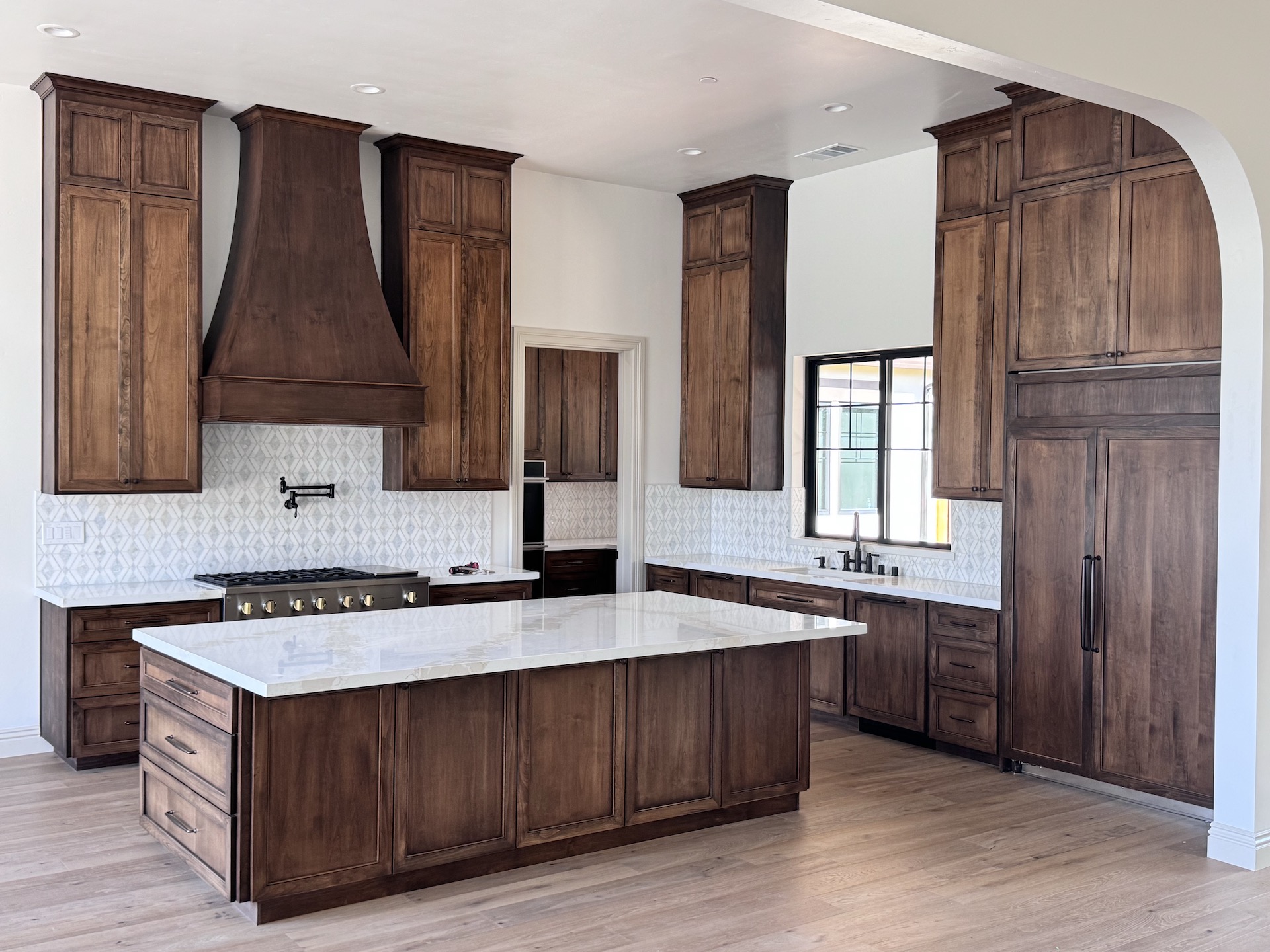
Cabinet staining is a refinishing process that enhances or changes the color of the wood while allowing the natural grain to remain visible. Instead of covering the cabinet surface with an opaque coating, stain penetrates or colors the wood and highlights its texture, pattern, and character.
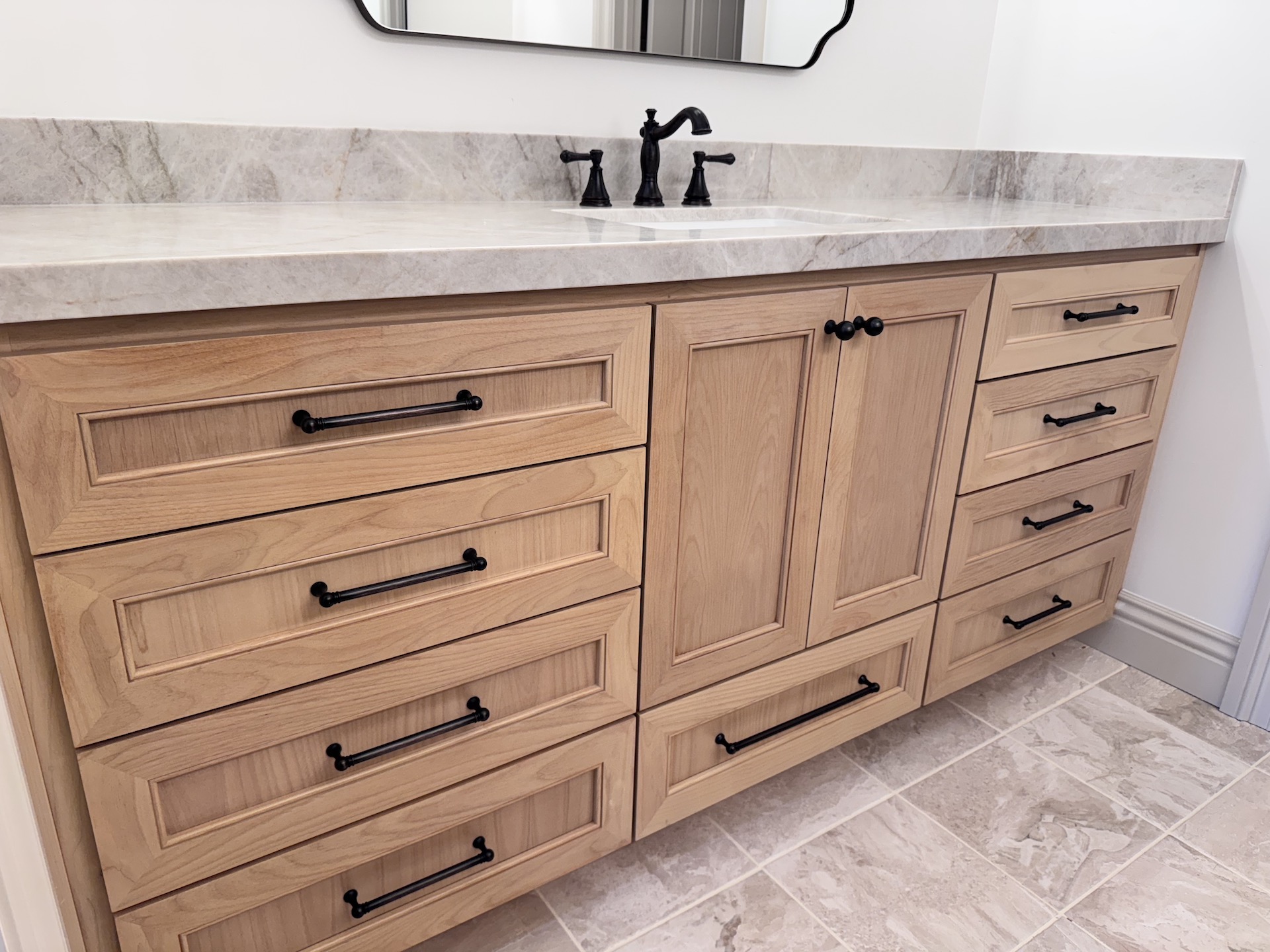
Staining is best suited for real wood cabinets. Oak, maple, cherry, walnut, alder, and other wood species can often be stained beautifully when the surface is in good condition. The final result can range from light and natural to deep espresso, warm brown, gray wash, or richer traditional tones.
Staining can be a strong choice for wood cabinet restoration because it keeps the natural material as the focus. If your cabinets are high-quality wood and you want to preserve that look, staining may be more appropriate than painting.
What Is Cabinet Painting?
Cabinet painting uses primer and paint to create a solid color finish over the cabinet doors, drawer fronts, frames, and visible surfaces. Unlike stain, paint hides most of the natural wood grain and creates a smoother, more uniform look.
Painting is one of the most popular choices for kitchen cabinet refinishing because it can completely change the style of a kitchen. White, cream, greige, sage green, navy, charcoal, and warm taupe cabinets can make an older kitchen feel more current without replacing the entire cabinet system.
Painting also works on more cabinet materials than staining. While real wood is ideal, properly prepared paint-grade wood, MDF, previously painted cabinets, and some manufactured cabinet surfaces may be good candidates for painting. The key is proper cleaning, sanding, bonding primer, and durable cabinet-grade coatings.
Cabinet Staining vs Painting: The Main Difference
The main difference is visibility of the wood grain. Stain enhances wood. Paint covers it. If you want to see natural grain, knots, and variation, staining is usually the better choice. If you want a consistent color or a more modern look, painting is usually the better choice.
Stain tends to feel warmer and more organic. Paint tends to feel cleaner, brighter, and more customizable. Stained cabinets often work well in traditional, craftsman, rustic, transitional, and natural kitchens. Painted cabinets work well in modern, farmhouse, coastal, transitional, and classic kitchen designs.
Neither option is automatically better. The right choice depends on what your cabinets are made of and what you want the kitchen to feel like after the project is complete.
When Cabinet Staining Is the Better Choice
Staining may be the better option when your cabinets are made of quality real wood and the wood is still in good condition. If the grain is attractive and you like the natural character, staining can refresh the kitchen without hiding what makes the cabinets valuable.
Staining is also a good choice if you want a warmer or more timeless look. Natural wood tones are still popular in 2026, especially when paired with light walls, stone counters, matte black hardware, or soft neutral backsplashes. Many homeowners are moving away from overly cool gray kitchens and toward warmer, more natural finishes.
Stain can also be helpful when you want a finish that ages in a more organic way. Minor wear may blend into the wood better than it would on a solid painted surface. However, staining does not hide major defects. If the cabinets have heavy discoloration, patched areas, mismatched wood, or unattractive grain, stain may make those imperfections more visible.
When Cabinet Painting Is the Better Choice
Painting may be the better option when your cabinets are structurally sound but visually outdated. If the wood species is not attractive, the grain feels too busy, or the cabinets have already been painted before, painting is often the more practical route.
Painting also gives you far more color control. If you want a bright white kitchen, a deep navy island, soft green lowers, or a warm modern neutral, paint is the way to get there. This is one reason homeowners searching for cabinet painters near me are often looking for a full visual transformation rather than a subtle refresh.
Paint is also helpful if your kitchen needs to feel lighter. Older wood cabinets can make a room feel heavy, especially in kitchens with limited natural light. A painted finish can brighten the space and make it feel cleaner and more open.
Durability: Which Lasts Longer?
Durability depends less on whether you choose stain or paint and more on preparation, product quality, and daily use. A poorly prepared painted cabinet can chip quickly. A poorly sealed stained cabinet can wear, absorb grime, or look uneven. A professional process matters for both options.
Stained cabinets can be durable because the color works with the wood instead of sitting as a completely opaque layer. Scratches and small wear marks may be less obvious, especially on medium wood tones. However, stained cabinets still need a protective clear coat, and that clear coat can wear over time around handles, edges, and high-touch areas.
Painted cabinets can also be very durable when cleaned, sanded, primed, and coated correctly. Cabinet-grade paint or enamel creates a hard finish designed for frequent handling. Still, painted cabinets can show chips more visibly than stained wood, especially if the paint color contrasts strongly with the wood underneath.
For busy households, both options can work well when applied professionally. The biggest durability mistake is rushing the prep work or using wall paint instead of a product made for cabinets.
Maintenance and Cleaning
Stained cabinets are generally forgiving when it comes to minor wear, but they still require gentle cleaning. Avoid harsh abrasives, standing water, and strong chemicals that can damage the clear coat. Use a soft cloth and mild cleaner for regular maintenance.
Painted cabinets are easy to wipe down, especially with the right sheen and coating. However, they may show fingerprints, grease, or chips depending on the color and finish. White cabinets can show dirt faster, while darker cabinets may show dust and scratches.
For both stained and painted cabinets, hardware helps protect the finish. Pulls and knobs reduce direct contact with cabinet doors and drawer fronts, which can help preserve the surface longer.
Cost: Is Staining or Painting More Expensive?
The cost of cabinet refinishing varies based on kitchen size, cabinet condition, number of doors and drawers, finish choice, and prep requirements. Staining can sometimes cost more if the existing finish must be stripped thoroughly before the new stain is applied. Stain also requires the wood to be in good enough condition to look attractive when exposed.
Painting can also be labor-intensive because cabinets must be cleaned, sanded, primed, and coated carefully. Doors and drawer fronts often need to be removed, labeled, sprayed or brushed properly, dried, and reinstalled. If the cabinets have glossy finishes or damage, extra prep may be needed.
In many cases, staining and painting are both significantly less expensive than replacing cabinets. The best way to compare is to get an estimate based on your specific kitchen and goals.
Which Option Looks More Modern in 2026?
Both can look modern when done well. Painted cabinets remain popular because they offer clean lines and flexible color choices. Warm white, mushroom, sage green, navy, black, and soft taupe are all strong options for 2026 kitchens.
At the same time, stained cabinets are making a strong return because homeowners want warmth and natural texture. Lighter oak, walnut-inspired tones, and medium warm browns can feel updated when paired with modern counters, simple hardware, and balanced lighting.
The most dated look is not stain or paint by itself. It is usually the wrong color, poor prep, worn finish, or a style that clashes with the rest of the kitchen.
How to Choose Between Staining and Painting
- Choose staining if your cabinets are real wood and you want to highlight the grain.
- Choose staining if you want a warm, natural, or timeless finish.
- Choose painting if you want a major color change or a brighter kitchen.
- Choose painting if the wood grain is unattractive or the cabinets are already painted.
- Choose painting if you want a modern two-tone kitchen design.
- Ask a professional if you are unsure whether your cabinet material can be stained.
It is also worth considering the rest of your kitchen. Counters, backsplash, flooring, wall color, lighting, and hardware all influence the final look. A finish that looks great on its own may not be the best match for the whole room.
FAQ: Cabinet Staining vs Painting
Is it better to stain or paint kitchen cabinets?
It depends on your cabinets and goals. Staining is better when you have attractive real wood and want to preserve the grain. Painting is better when you want a clean color change, a brighter kitchen, or a more modern transformation.
Does painting cabinets last?
Yes, painted cabinets can last for years when properly cleaned, sanded, primed, and coated with cabinet-grade products. Durability depends heavily on preparation and the quality of the finish.
Can all cabinets be stained?
No. Staining works best on real wood. MDF, laminate, some veneers, and previously painted cabinets may not be good candidates for stain. A professional can inspect the material and recommend the right refinishing method.
Which is easier to maintain, stained or painted cabinets?
Both are manageable with gentle cleaning. Stained cabinets may hide small wear better, while painted cabinets are easy to wipe but can show chips or dirt depending on the color. More answers are available on the Barto Painting FAQ page.
Is cabinet refinishing cheaper than replacement?
In many cases, yes. Refinishing existing cabinets can cost significantly less than full replacement, especially if the cabinet boxes are in good shape and the layout still works for your kitchen.
Helpful Resource
For kitchen planning context, the National Kitchen & Bath Association shares broader kitchen design and remodeling resources. Read the external resource.
Related Painting Guides
Cabinet refinishing is often part of a bigger home update. These related guides can help you compare painting costs, exterior trends, repaint timing, and DIY versus professional work.
- interior house painting cost in Sacramento
- best exterior paint colors for California homes
- how often to repaint your house exterior
- professional painting vs DIY
Get Help Choosing the Right Cabinet Finish
When comparing cabinet staining vs painting, the best answer is the one that fits your wood, your kitchen style, and your long-term maintenance expectations. Stain keeps the beauty of natural wood visible. Paint offers more color freedom and can completely refresh the room.
If you are ready to update your kitchen cabinets, visit the Barto Painting services page, review common questions on the FAQ page, or contact Barto Painting to request an estimate.