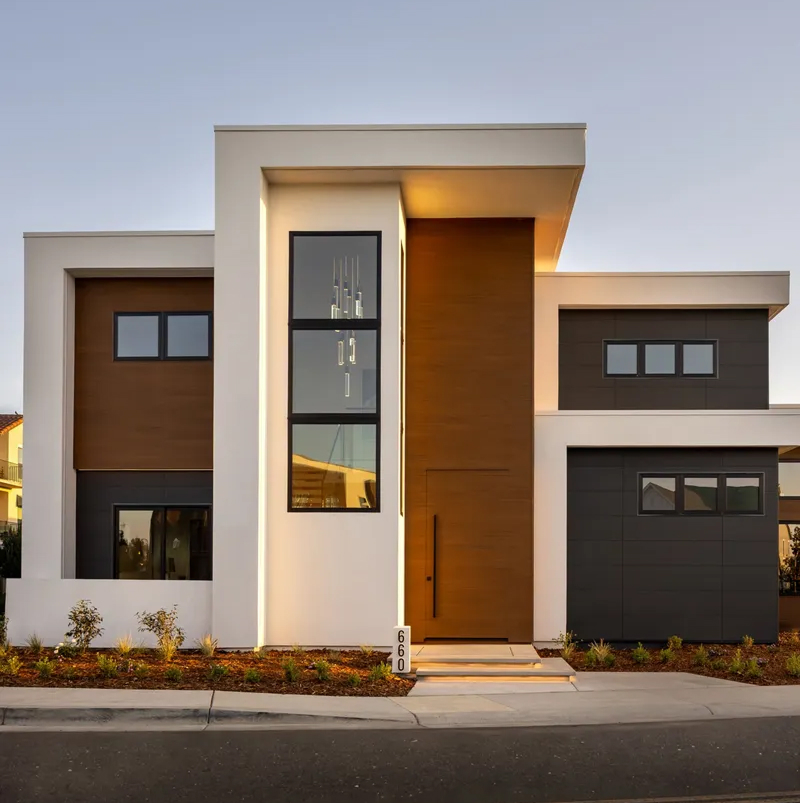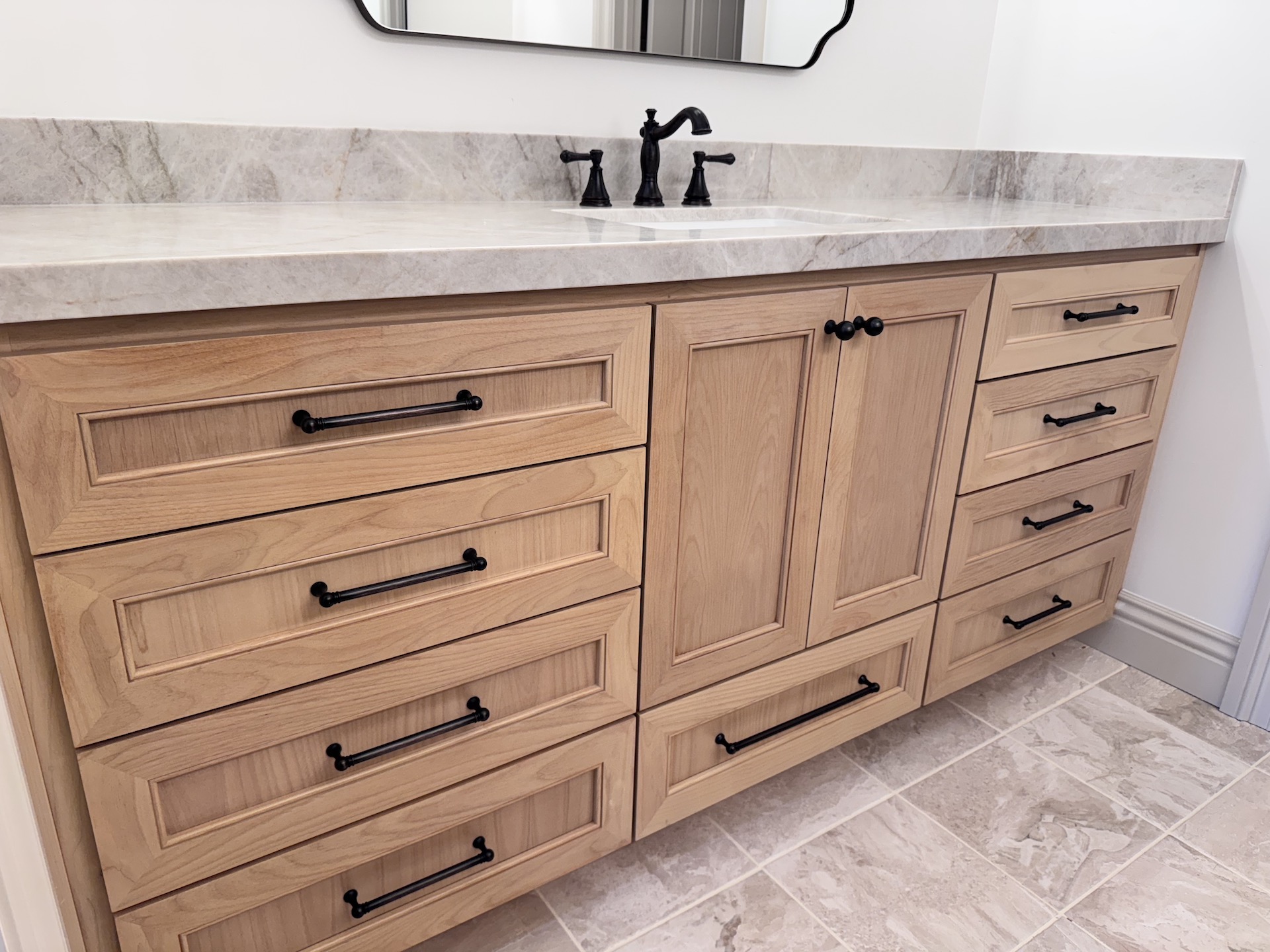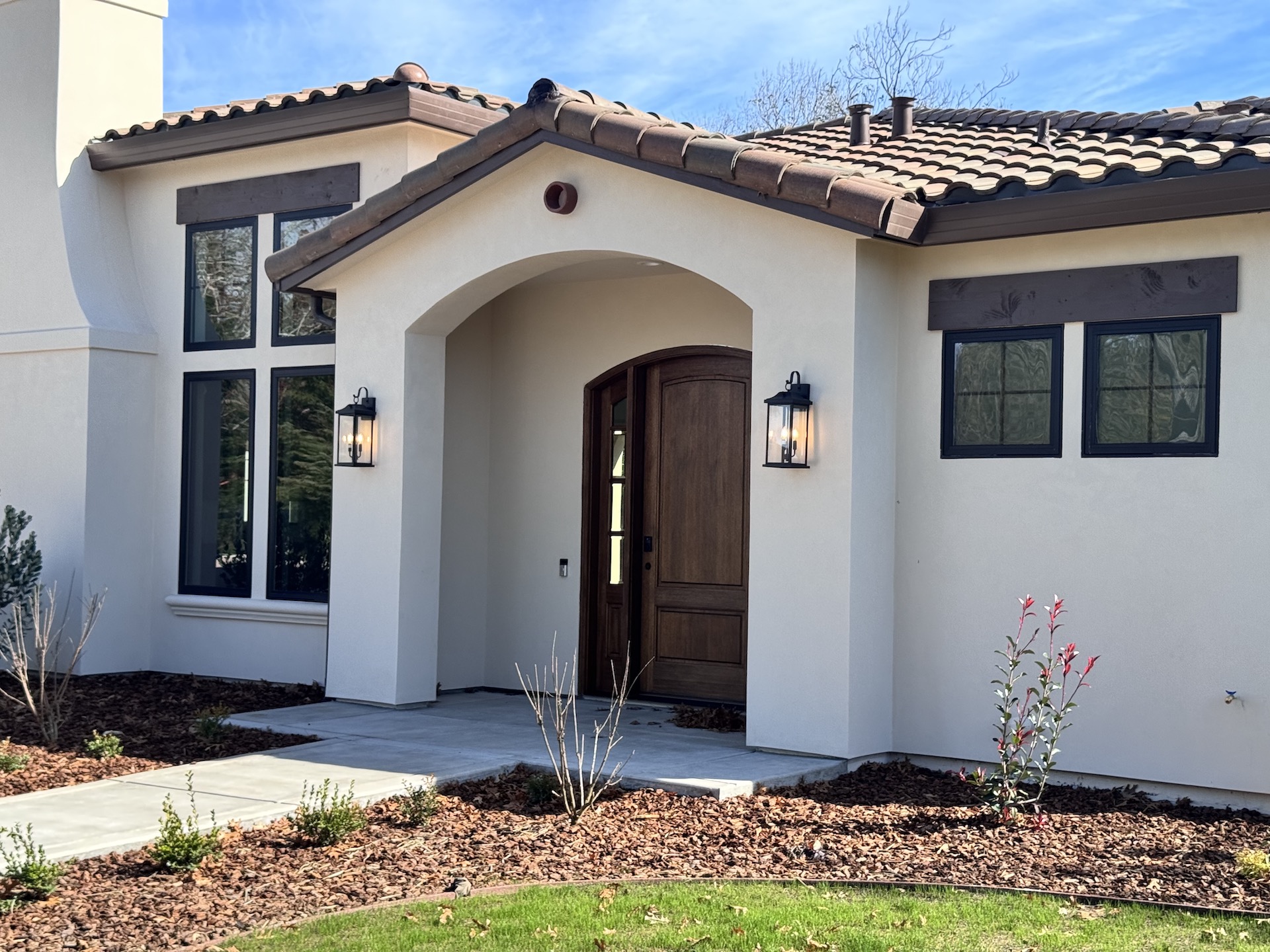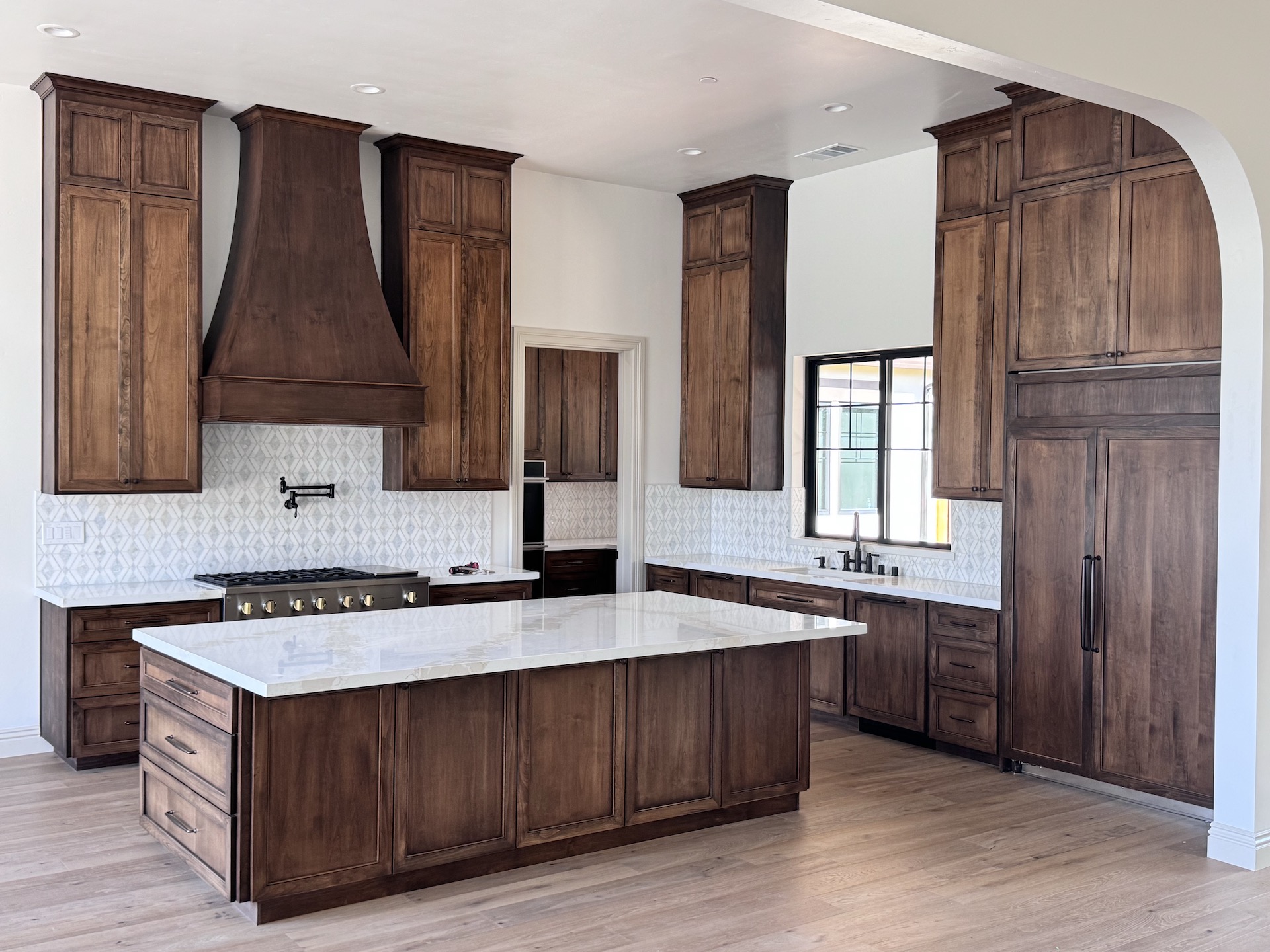
Painting your home can look simple from the outside: buy paint, grab a roller, and change the room or exterior color. But once the project begins, most homeowners realize there is more involved than expected. The real question behind professional painting vs diy is not just whether you can paint your home yourself. It is whether the final result, time investment, tools, prep work, and long-term durability make DIY the better value.
For some small projects, DIY painting can make sense. A simple bedroom, an accent wall, or a small touch-up may be manageable if you have patience and time. Larger projects, exterior surfaces, cabinets, high ceilings, trim, stairwells, and homes with surface damage usually benefit from professional skill. This guide compares DIY and professional painting honestly so you can decide when to paint yourself and when to hire professional painters.
DIY Painting: When It Can Make Sense
DIY painting can be a reasonable choice for small, low-risk projects. If a room is empty, the walls are in good condition, the color change is simple, and you are not under a tight deadline, painting it yourself may save money on labor. Some homeowners also enjoy hands-on home projects and like the satisfaction of completing the work themselves.
Interior DIY painting is usually easier than exterior painting because you are working in a controlled environment. There is no weather to plan around, fewer safety concerns, and less exposure to sun, dust, moisture, or ladders. A small bedroom or office is often the best place to start if you want to test your comfort level.
That said, even a basic room still requires more than paint. You need drop cloths, tape, brushes, rollers, trays, extension poles, patching compound, sanding materials, caulk, primer, and cleanup supplies. You also need time for moving furniture, protecting floors, patching holes, cutting clean lines, applying coats, drying, and putting the room back together.
Professional Painting: What You Are Paying For
When you hire professional painters, you are paying for more than the final coat of paint. A good painting crew brings preparation, product knowledge, efficient workflow, clean lines, safer access, and consistent application. Professional painters understand how different surfaces react, when primer is needed, how to handle repairs, and how to apply paint so it lasts.
Professional work is especially valuable when the project includes trim, doors, cabinets, exterior siding, stucco, high ceilings, stairwells, or multiple rooms. These areas require more skill and more careful setup. Mistakes are also more visible and often more expensive to fix.
For homeowners searching for painting contractors near me, the goal is usually not just to get paint on the wall. It is to get a reliable, polished finish without losing several weekends or dealing with messy problems halfway through the project.
Cost: DIY vs Hiring Professional Painters
DIY painting appears cheaper because you are not paying for labor. However, the final cost can be higher than expected once you account for tools, supplies, extra paint, mistakes, and time. A homeowner may buy budget tools, realize they do not perform well, and then buy better ones. Or they may choose the wrong paint sheen, skip primer, or need extra coats because the color does not cover well.
Common DIY costs include paint, primer, brushes, rollers, trays, tape, plastic, drop cloths, sandpaper, patching materials, caulk, ladders, extension poles, and cleaning supplies. If you are painting cabinets, exterior siding, or detailed trim, the tool list can grow quickly.
Professional painting costs more upfront, but the scope is clearer. A detailed estimate should explain what is included: prep work, materials, number of coats, surfaces, repairs, cleanup, and timeline. For many homeowners, the value is not only the final appearance but also the time saved and the reduced risk of having to redo the work.
Hidden DIY Painting Costs
The biggest hidden cost of DIY painting is time. A room that seems like a one-day project can take an entire weekend once you include prep, drying, second coats, cleanup, and touch-ups. A full interior repaint can take several weekends. Exterior painting can take even longer because surfaces must be cleaned, repaired, primed, and painted during the right weather conditions.
Another hidden cost is rework. Paint drips, uneven coverage, roller marks, rough patches, visible brush lines, poor caulking, or peeling paint can require sanding and repainting. If the wrong product is used, the finish may fail sooner than expected.
Safety is also a cost factor. Ladders, rooflines, tall stairwells, and exterior second-story areas can be dangerous without proper equipment and experience. A project is not truly cheaper if it puts you at risk or creates damage that needs professional repair later.
Quality Differences You Can See
A professional paint job often looks different because of the details. Clean edges, smooth walls, even sheen, consistent coverage, sharp trim lines, and careful protection all affect the finished result. A trained painter knows how to keep a wet edge, avoid lap marks, handle textured surfaces, and choose tools for the surface.
DIY results can look good when the homeowner is patient and the project is simple. But quality problems become more likely as the project gets more complex. Dark color changes, glossy trim, cabinets, textured walls, exterior surfaces, and high-visibility rooms require more technique.
The difference is also visible over time. Professional prep and product selection can help the finish last longer. A rushed DIY job may look acceptable for a few weeks but begin showing peeling, flashing, or uneven spots after regular use.
Why Prep Work Matters So Much
Prep work is the foundation of any paint job. Skipping prep is one of the most common DIY house painting mistakes. Paint does not fix dirty walls, loose caulk, glossy surfaces, holes, cracks, stains, mildew, or peeling paint. It may cover them briefly, but the flaws often return.
Interior prep may include moving furniture, protecting floors, washing walls, patching nail holes, sanding repairs, caulking gaps, priming stains, and removing dust before painting. Exterior prep may include pressure washing, scraping loose paint, sanding, repairing damaged surfaces, priming bare areas, and sealing joints.
Professionals spend a significant part of the project on preparation because it directly affects adhesion and finish quality. If prep is rushed, even expensive paint will not perform as well as it should.
Interior Painting: DIY or Pro?
For a small interior room with standard walls, DIY may be a good option. For multiple rooms, high ceilings, detailed trim, or deadline-driven projects, professional painters are usually worth considering. Professionals can complete the work faster and with less disruption.
Interior painting also affects how your home feels every day. Uneven lines around ceilings, baseboards, windows, and doors can be distracting. If the room is highly visible, such as a living room, kitchen, entryway, or primary bedroom, a professional finish may be worth the investment.
Exterior Painting: DIY or Pro?
Exterior painting is usually more demanding than interior painting. It involves weather planning, ladders, surface washing, repairs, caulking, primer, sun exposure, and product selection. In Sacramento, heat, UV exposure, dust, and seasonal rain can all affect timing and durability.
Professional exterior painters understand how to prepare surfaces and apply products that hold up to local conditions. If the home has two stories, stucco cracks, peeling trim, wood damage, or large sun-exposed walls, hiring a professional is often the safer and more durable choice.
Cabinet Painting: Why DIY Is Riskier
Cabinet painting is one of the most underestimated DIY projects. Cabinets are touched daily, exposed to grease and moisture, and viewed up close. A durable cabinet finish requires cleaning, sanding, bonding primer, proper coating, drying time, and careful handling of doors and drawer fronts.
DIY cabinet painting can work, but it is easy to end up with brush marks, chips, sticky doors, uneven sheen, or poor adhesion. Because cabinets are a central part of the kitchen, mistakes are highly visible. Many homeowners who want a long-lasting cabinet finish choose professionals for this reason.
How to Decide What Is Best for Your Home
- Choose DIY for small, simple, low-risk rooms.
- Choose DIY if you have time, patience, and realistic expectations.
- Hire professional painters for exteriors, cabinets, trim, stairwells, and high ceilings.
- Hire professionals when the surface needs repairs or heavy prep.
- Hire professionals if the project needs to be finished quickly and cleanly.
- Compare the full cost of supplies, time, and possible rework before deciding.
The best choice is the one that matches your project size, skill level, schedule, and desired finish. If you are unsure, an estimate can help you compare the true cost of doing it yourself against hiring a professional crew.
FAQ: Professional Painting vs DIY
Is professional painting worth it?
Professional painting is often worth it for larger projects, exterior work, cabinets, trim, high ceilings, or surfaces that need repairs. Professionals can save time, improve finish quality, and help the paint last longer.
Is DIY painting cheaper?
DIY painting can be cheaper for small projects, but hidden costs add up. Tools, supplies, extra coats, mistakes, and time can reduce the savings. For complex projects, professional painting may be the better value.
What are common DIY house painting mistakes?
Common mistakes include skipping prep, using the wrong paint, not priming, applying coats too thick, poor taping, visible roller marks, painting over dirty surfaces, and rushing drying time. More common questions are covered on the Barto Painting FAQ page.
Should I paint my house exterior myself?
Exterior painting is more difficult and risky than most interior projects. If your home has height, peeling paint, damaged surfaces, or large areas exposed to sun, hiring professionals is usually safer and more durable.
How do I choose painting contractors near me?
Look for clear communication, detailed estimates, surface prep standards, product knowledge, and examples of completed work. The lowest price is not always the best value if prep and materials are not included.
Helpful Resource
For general contractor hiring advice, the Federal Trade Commission explains how homeowners can compare and vet contractors. Read the external resource.
Related Painting Guides
Before deciding whether to paint yourself or hire a crew, these related guides can help you understand costs, exterior timing, color choices, and cabinet refinishing options.
- interior house painting cost in Sacramento
- best exterior paint colors for California homes
- cabinet staining vs painting
- how often to repaint your house exterior
Get a Professional Painting Estimate
When comparing professional painting vs DIY, think beyond the cost of paint. Consider your time, tools, surface condition, safety, and the finish quality you want to see every day. DIY can work for simple projects, but professional painters bring experience and efficiency to jobs where quality and durability matter.
If you are ready to compare options, visit the Barto Painting services page, review common questions on the FAQ page, or contact Barto Painting to request an estimate.